
July Newsbreak
In this issue of Newsbreak:
Leadership + AI Summit Celebration
Upcoming Webinars
New DMLA Member: Wirestock
Copyright Corner
Upcoming Industry Events
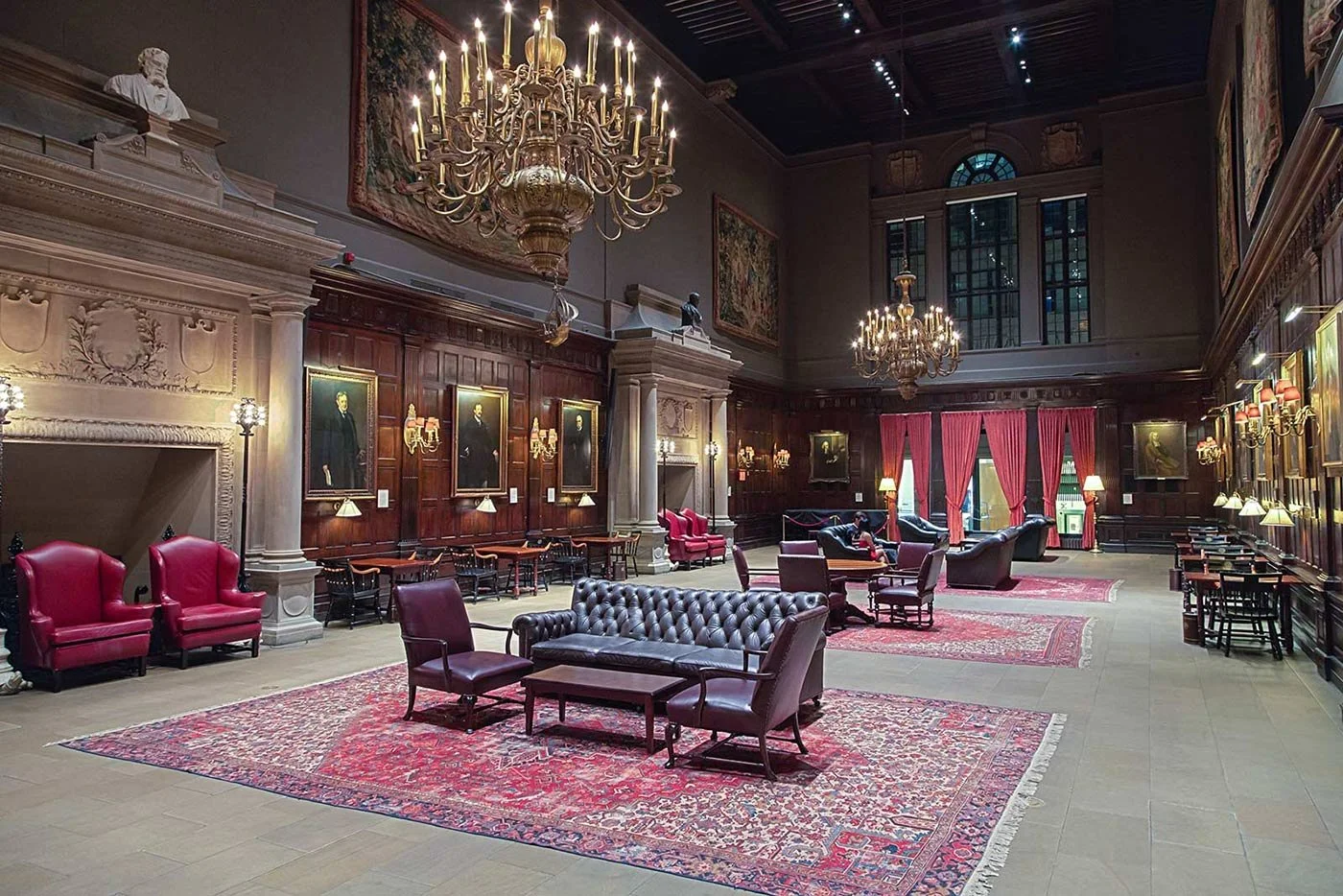
DMLA Leadership +
AI Summit
Join us for a senior-level gathering focused on the future of digital media, licensing, copyright, content authenticity, AI, and emerging technologies.
Harvard Club of New York
September 30, 2026 | New York City
The afternoon will begin with a networking lunch, followed by Summit programming that brings together leaders from across media, technology, publishing, advertising, licensing, and legal for timely insight, discussion, and connection.
75th Anniversary Celebration Reception
Immediately following the Leadership + AI Summit, we will gather for a special anniversary cocktail reception celebrating DMLA’s 75 years of leadership, honoring our legacy while looking ahead to the future.
DMLA Legal Town Hall
July 29th, 2026 at 12PM ET
Featuring DMLA Counsel Nancy Wolff, and our roster of in-house lawyers and legal experts, from Getty Images, Shutterstock, Stocksy and PA Media.
This session will be driven by your questions about copyright, licensing, AI, IP, and more.
Please submit questions in advance to admin@dmla.org and come ready to engage with this talented group of legal experts.
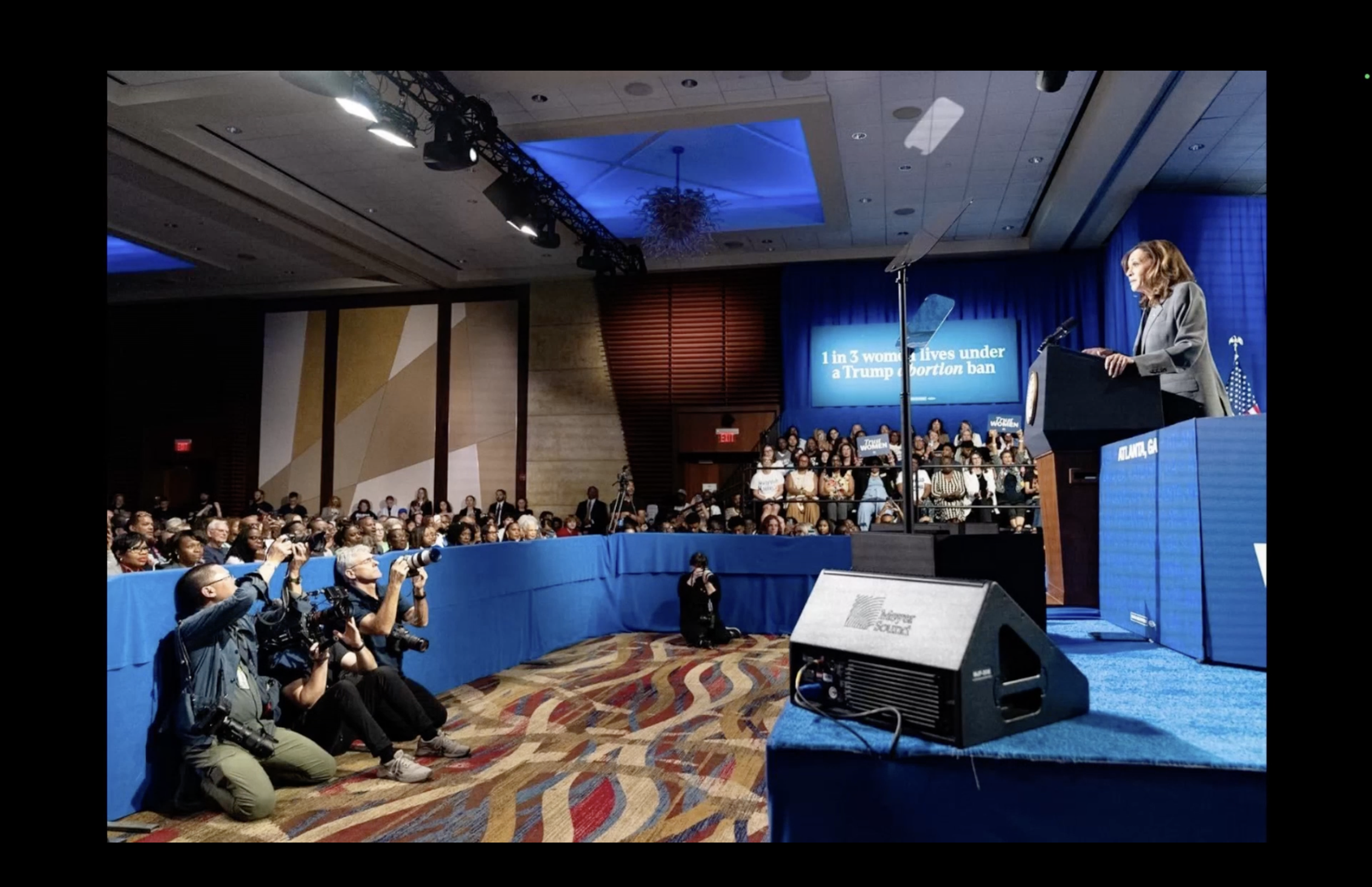
Save the Date:
Editorial in the Age of AI
Roundtable
August 12, 2026 at 2PM ET
AI-generated imagery is rapidly reshaping the market for traditional stock photography. What does that mean for Editorial and Archive collections?
Join Thomas Smith, Gado Images and Jonathan Wells, SIPA USA for an open, spirited discussion on the state of the Editorial industry in an increasingly AI-driven world.
Watch for registration information. Coming soon.
Welcome New DMLA Member: Wirestock
DMLA is pleased to welcome Wirestock as our newest Innovator member.
Wirestock builds premium, human-crafted visual training data for foundation model development across video, image, 3D, and other modalities. Its work helps address coverage gaps and edge-case scarcity across AI training and alignment pipelines, while also creating paid project opportunities for a global network of photographers, videographers, illustrators, graphic designers, 3D artists, and other creative professionals.
Wirestock recently closed its Series A funding round and, as of May 2026, has surpassed $15 million in creator payouts.
We are excited to welcome Wirestock to the DMLA community and look forward to their perspective in our ongoing conversations around AI, licensing, visual content, and the future of the creative economy.
Industry Updates:
Getty Images and Shutterstock Merger Called Off
Getty Images has announced that it will not proceed with its planned $3.7 billion merger with Shutterstock, following conditions set by the U.K. Competition and Markets Authority. The regulator had indicated that approval would require the sale of Shutterstock’s editorial business, citing concerns about reduced choice and potential price increases for U.K. media customers.
The proposed merger, first announced in January 2025, would have combined two of the largest companies in the licensed visual content industry at a time of significant change driven by generative AI, shifting licensing models, and evolving customer needs. While the merger had received U.S. antitrust clearance earlier this year, Getty determined that the required divestiture would undermine the value of the transaction.
The decision leaves both companies to continue navigating the rapidly changing visual media marketplace independently.
AI Licensing Deals Continue to Evolve Beyond Training Data
Recent AI licensing activity continues to show that the market is developing across several different models, including training data, display rights, attribution, search visibility, and AI-powered discovery.
Getty Images recently announced a multi-year display partnership with OpenAI that will bring Getty Images’ licensed visual content into ChatGPT search and discovery experiences. The agreement is significant for visual content owners, but it appears to be a display and discovery partnership rather than a general training-data license.
Other notable activity includes Shutterstock’s continued expansion of licensed training datasets for generative AI, Bria’s ongoing focus on visual AI models trained on licensed and attributed data, and major publisher-side AI licensing agreements involving companies such as News Corp, OpenAI, and Meta.
For DMLA members, the takeaway is that AI licensing is no longer limited to whether content is used to train models. Licensing conversations are also expanding into how content is displayed, attributed, discovered, monetized, and trusted within AI-powered products.
Shutterstock Brings Licensed Content into ChatGPT
Shutterstock has launched a licensed content app in ChatGPT, enabling users to discover images, video, music, and sound effects from Shutterstock’s collection directly within an AI-native workflow. The move reflects a broader industry shift toward embedding licensed content discovery into emerging creative and productivity platforms.
For content owners and licensors, the launch highlights the growing importance of ensuring that professionally licensed assets remain visible, accessible, and usable as customers increasingly work inside AI-powered environments.
Envato Continues Expanding AI Tools for Creative Workflows
Envato continues to expand its AI tools and workflow features alongside its subscription-based creative asset marketplace. Recent updates highlight new AI models, video tools, workflow improvements, and creator-requested features designed to help users find, create, customize, and iterate on creative assets more efficiently.
The updates point to a continued blending of stock assets, templates, generative tools, and workflow platforms as creative marketplaces evolve in response to AI-driven production needs.
Bria partners with News/Media Alliance on AI Licensing
The News/Media Alliance has partnered with Bria to offer its members the opportunity to opt into an AI licensing agreement that would provide compensation for the use of their content in AI systems. The partnership reflects continued movement toward licensing-based approaches for AI training and development, particularly as publishers, image companies, and other rights holders seek clearer pathways for permission, attribution, and compensation.
For DMLA members, the announcement is another example of how industry groups are exploring collective or member-based frameworks for engaging with AI companies.
Adobe to Acquire Topaz Labs
Adobe has announced plans to acquire Topaz Labs, the company known for AI-powered photo and video enhancement tools including image upscaling, noise reduction, and sharpening. The acquisition is expected to strengthen Adobe’s AI capabilities across creative applications such as Photoshop, Lightroom, and Premiere Pro, while Topaz Labs’ products are expected to continue operating separately during the transition.
The deal underscores the growing importance of AI-assisted enhancement and production tools within professional photography, video, and creative workflows.
If your company has industry news that you would like to share, please add updates@dmla.org to your mailing list.
Copyright Corner
H.R. 6028 Moves to the Senate
H.R. 6028, the Legislative Branch Agencies Clarification Act, has passed the House and will now move to the Senate for further consideration. The bill would significantly change the governance structure for the U.S. Copyright Office by removing it from the supervisory authority of the Library of Congress and making the Register of Copyrights a presidential appointee, subject to Senate confirmation, for a 10-year term.
As amended, the bill also clarifies that the Copyright Office would remain in the legislative branch. The chairs and ranking members of the House and Senate Judiciary Committees would jointly recommend three individuals whom the President may consider for the Register position.
The bill is significant for the copyright community because it would reshape how the Register of Copyrights is appointed and overseen at a time when the Copyright Office is addressing major questions involving AI training, fair use, licensing, authorship, registration, and creator rights.
Supreme Court Leaves Shira Perlmutter in Place While Case Continues
The U.S. Supreme Court has declined, for now, to allow the removal of Shira Perlmutter, Register of Copyrights and Director of the U.S. Copyright Office. The Court left in place a D.C. Circuit injunction that allows Perlmutter to continue serving in her role while Perlmutter v. Blanche proceeds.
Importantly, the Supreme Court did not decide the underlying legal question of whether the President has authority to remove the Register of Copyrights. The order was procedural, not a ruling on the merits.
The case remains significant for the copyright community because it raises important questions about the independence and governance of the Copyright Office at a time when the Office is advising Congress and shaping policy discussions around AI, copyright, fair use, authorship, registration, and creator rights.
AI Legislation: Federal Movement Remains Focused on Deepfakes and Digital Replicas
Federal AI legislation continues to move most actively around digital replicas, deepfakes, and likeness rights.
The NO FAKES Act advanced unanimously out of the Senate Judiciary Committee in June and would create a federal right protecting individuals against unauthorized AI-generated replicas of their voice or visual likeness.
The TAKE IT DOWN Act, which addresses nonconsensual intimate imagery, including AI-generated deepfake abuse, is now in effect for platform notice-and-removal requirements. While not a copyright or licensing bill, it reflects growing federal attention to synthetic media harms.
Other proposals remain earlier-stage, including the CREATOR Act, focused on commercial AI imitation of visual artists’ distinctive styles, and the TRAIN Act, focused on transparency around the use of copyrighted works in AI training.
States Continue to Advance AI Regulation
In the absence of a comprehensive federal AI law, states may continue to move forward with their own AI-related regulations after Congress declined to adopt a federal moratorium on state AI regulation.
The most significant state frameworks to watch include Colorado, which has enacted and revised a broad AI governance law focused on high-risk AI and algorithmic discrimination; California, which has adopted AI transparency and generative AI training-data disclosure requirements; Utah, which requires certain disclosures when businesses use generative AI in consumer interactions; and Texas, which has enacted a responsible AI governance framework.
Other states have adopted more targeted laws addressing election deepfakes, synthetic intimate images, AI-generated child sexual abuse material, political advertising disclosures, voice and likeness rights, and sector-specific AI use.
Together, these developments are creating a growing patchwork of rules around transparency, synthetic media, consumer protection, likeness rights, and high-risk automated decision-making.
Proud to Be a DMLA Member?
Let your clients and partners know.
Members in good standing are encouraged to display the DMLA logo on their websites, marketing materials, and email signatures as a sign of their commitment to professional standards, industry leadership, and the future of digital media.
Members who would like to gain access the DMLA logos, please reach out to marketing@dmla.org.
Interested in DMLA Membership?
Learn More
Benefits of Membership
Join Us
Committees
AI/Copyright Group
SEO/AISearch Working Group
Coming Industry Events
September 16, 2026 - Footage Marketplace Europe, Paris, France
September 29 - 30 - Visual 1st 2026, San Francisco, CA
September 30 - DMLA Leadership + AI Summit, New York City
October 1-2 - DAM NY 2026, New York City
October 1-3 - Footage Fest, New York City
November 10 - 12 - AdobeMax - Miami, FL
Please send us events you would like us to track!
Email marketing@dmla.org