
In this issue of Newsbreak:
New Members
Leadership + AI Summit Summary & Gallery
Webinars: Editorial in the Age of AI — video available
SEO + AI Search Working Group Listening Session with Andy Parsons, CAI
Copyright Corner
Leadership & Policy Moves
Court Decisions & AI Copyright Litigation
International AI Watch
Industry News
Upcoming Industry Events
Welcome to DMLA’s Newest Members:

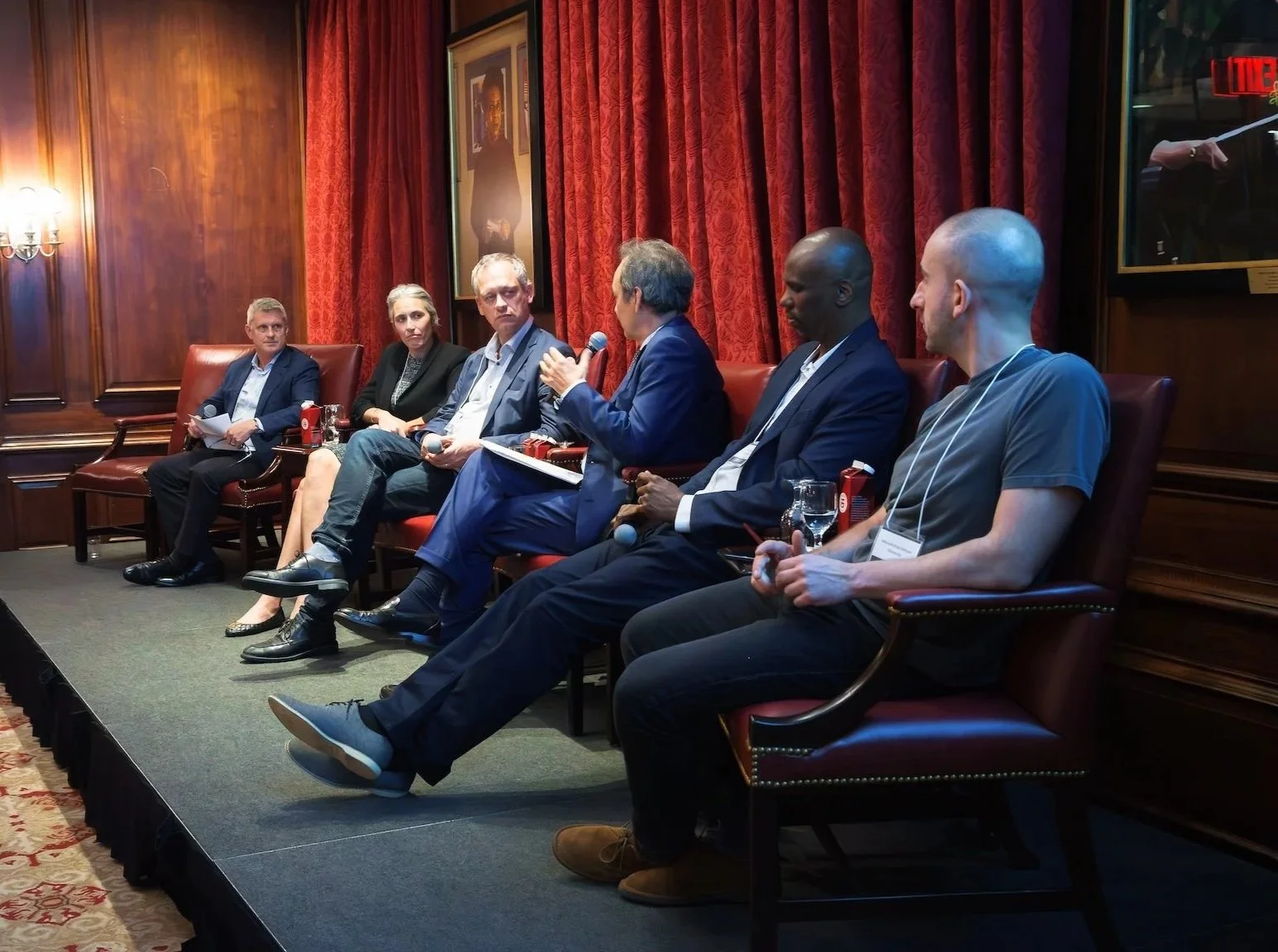
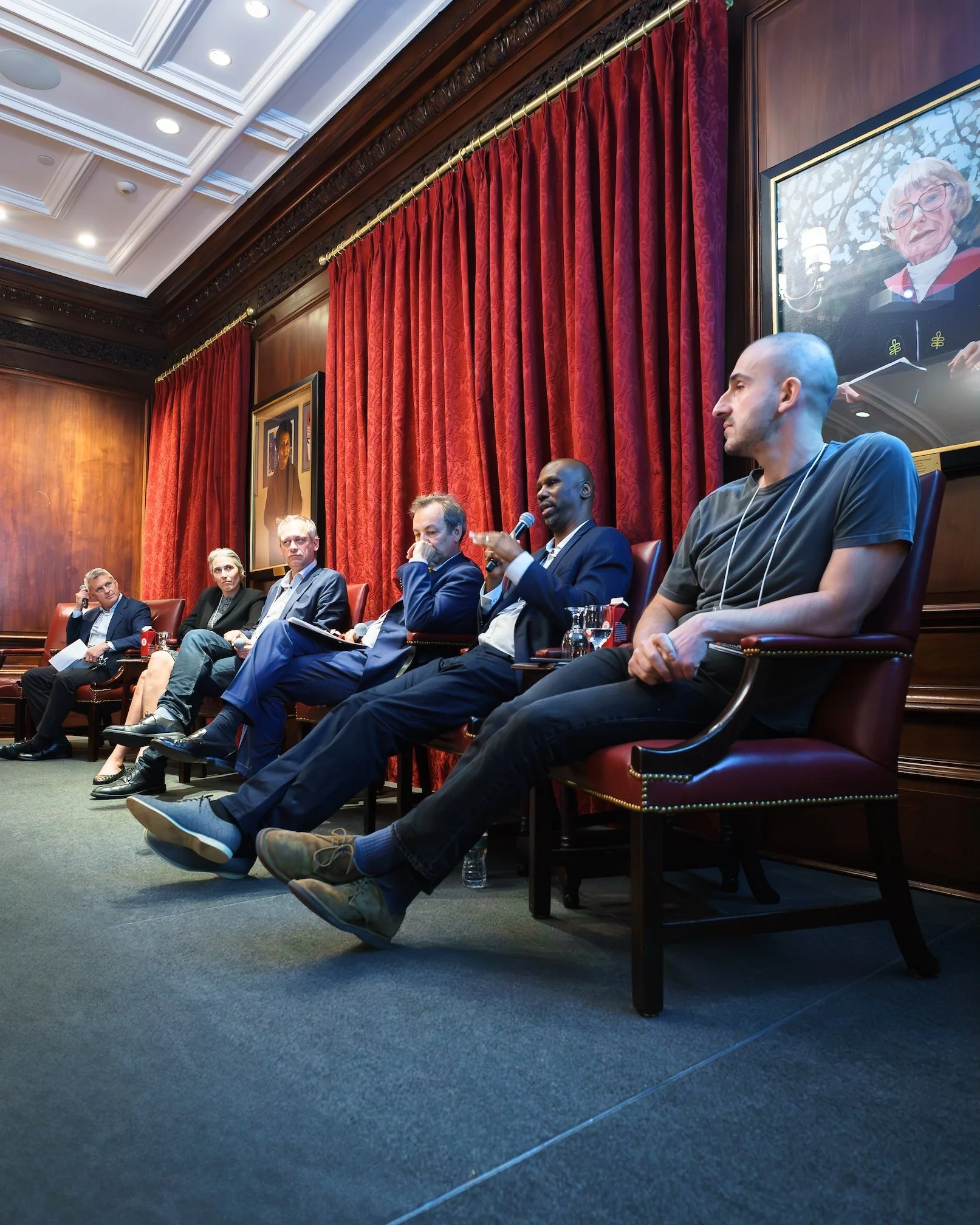
The Leadership + AI Summit
DMLA brought leaders from across the digital media ecosystem together for a unique leadership forum—exploring the challenges, opportunities, and decisions shaping our industry's future.
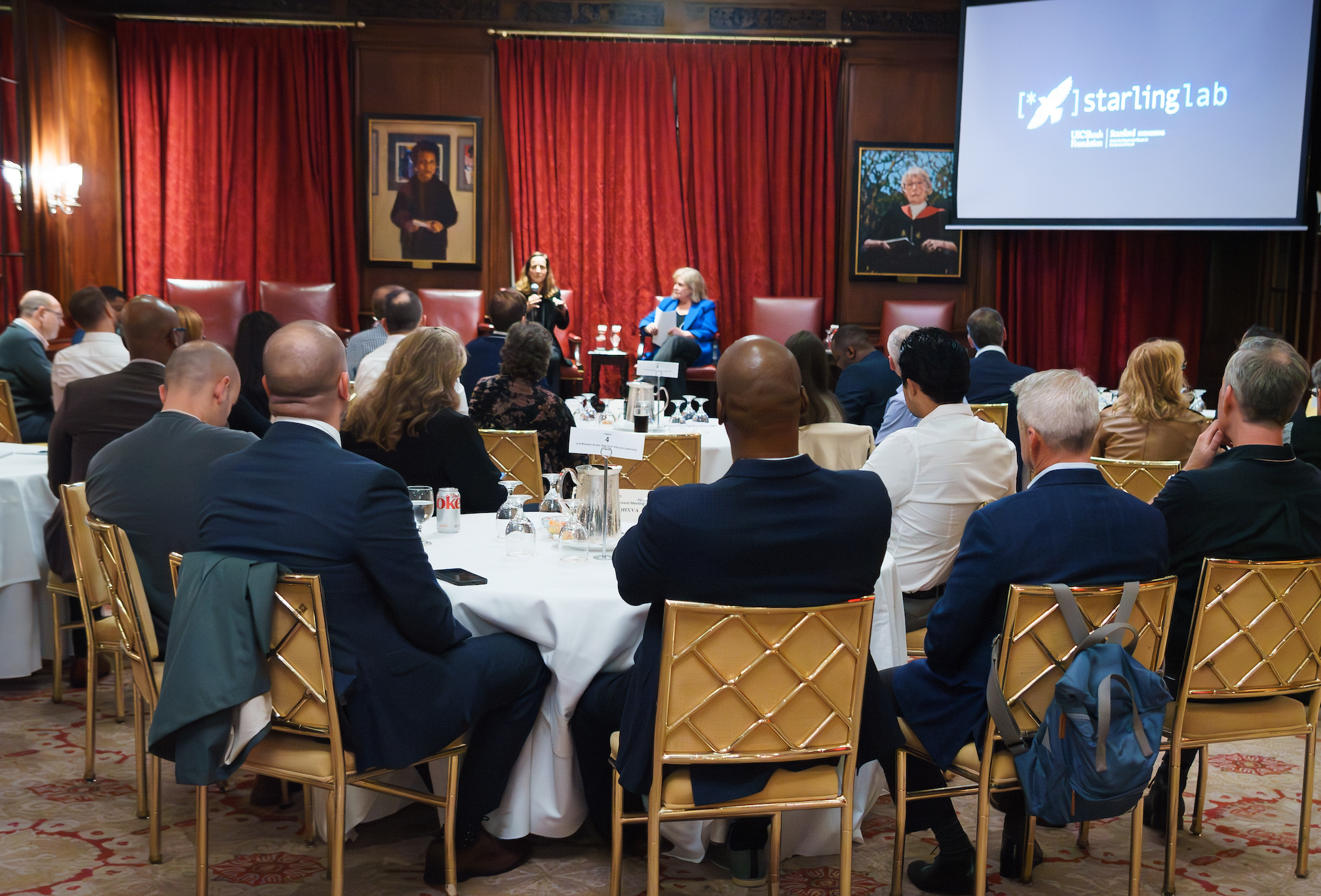
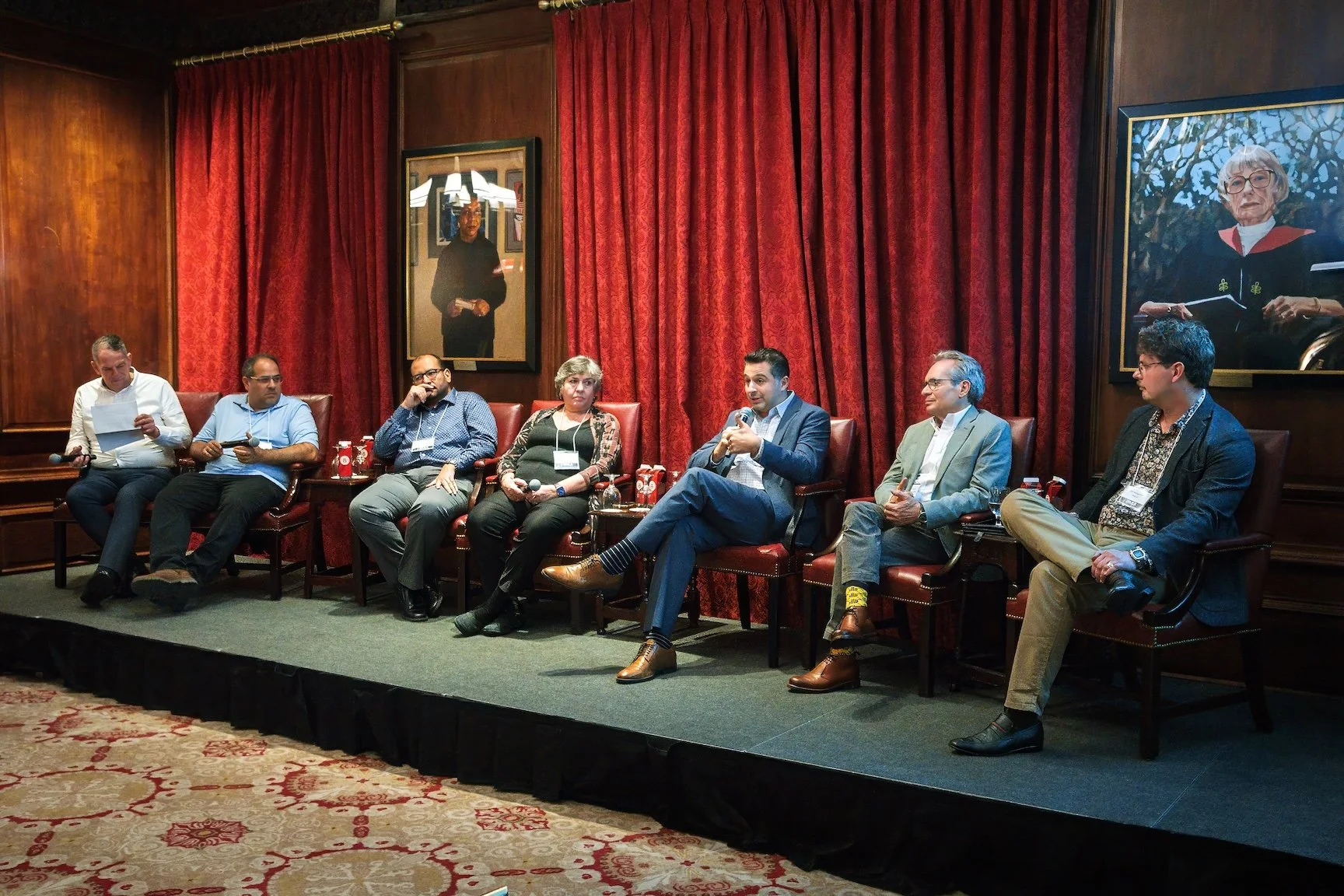
On September 30, DMLA hosted its Leadership + AI Summit at the Harvard Club in New York City, bringing together approximately 50 CEOs, founders, and senior executives from across the digital media ecosystem for an afternoon of thought-provoking discussions, collaboration, and industry leadership.
Featuring a keynote by Kira Pollack, 2026 Global Chair of World Press Photo, the Summit addressed some of the most pressing challenges and opportunities facing our industry. Through executive panels and interactive roundtables, participants examined not only how technology is transforming the digital media landscape, but also how industry leaders can work together to shape its future responsibly and sustainably.
The Summit received DMLA's highest event ratings in several years, with attendees praising the caliber of speakers, the openness and depth of discussions, and the opportunity to engage with fellow industry leaders—including competitors—in a collaborative setting.
Building on this success, DMLA's Board has approved two Leadership Summits for 2027—one in-person and one virtual—reinforcing the organization's commitment to fostering industry leadership, advocacy, education, and connectivity as we celebrate our 75th anniversary.
A special thank you to everyone who contributed to the success of this exceptional event:
Our keynote speaker: Kira Pollack, World Press Photo.
Our moderators: Joe Naylor, ImageRights; Mark Milstein, Microstock Solutions; and Leslie Hughes, iSPY Technologies.
Our panelists: Stefano De Alessandri, ANSA News Agency; Kristin Heitmann, The Associated Press; Steve Jones, pocstock; Mikayel Khachatryan, Wirestock; Frédéric Sanuy, Activo; Yair Adato, Bria.ai; Sherif Hanna, Google; Mounir Ibrahim, Truepic/C2PA; Yonah Levenson, Rutgers; Paul Melcher, Melcher System; and Eric Wengrowski, Steg.ai.
Our roundtable leaders: Alexandru Giboi, EANA; Sherif Hanna and Grace Hoyt, Google; Tom Smith, Gado Images; and Margaret Vincent, Stocksy; and Mark Milstein, Microstock Solutions.
We extend our special appreciation to Google, our lead Summit sponsor, whose generous support helped make this event possible, as well as to our sustaining sponsors and media partners for their continued commitment to DMLA and the industry.
We look forward to continuing these important leadership focums in 2027!

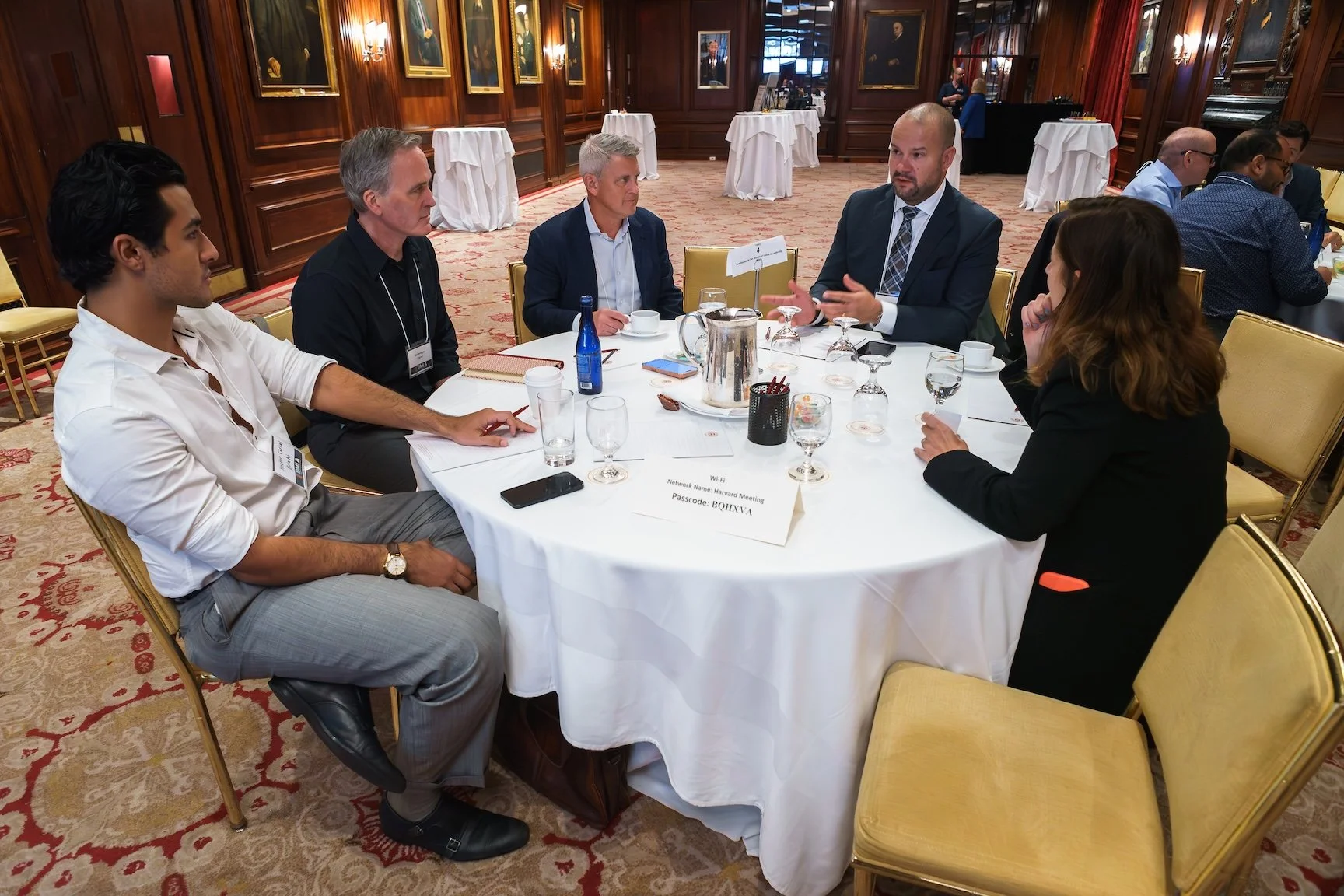
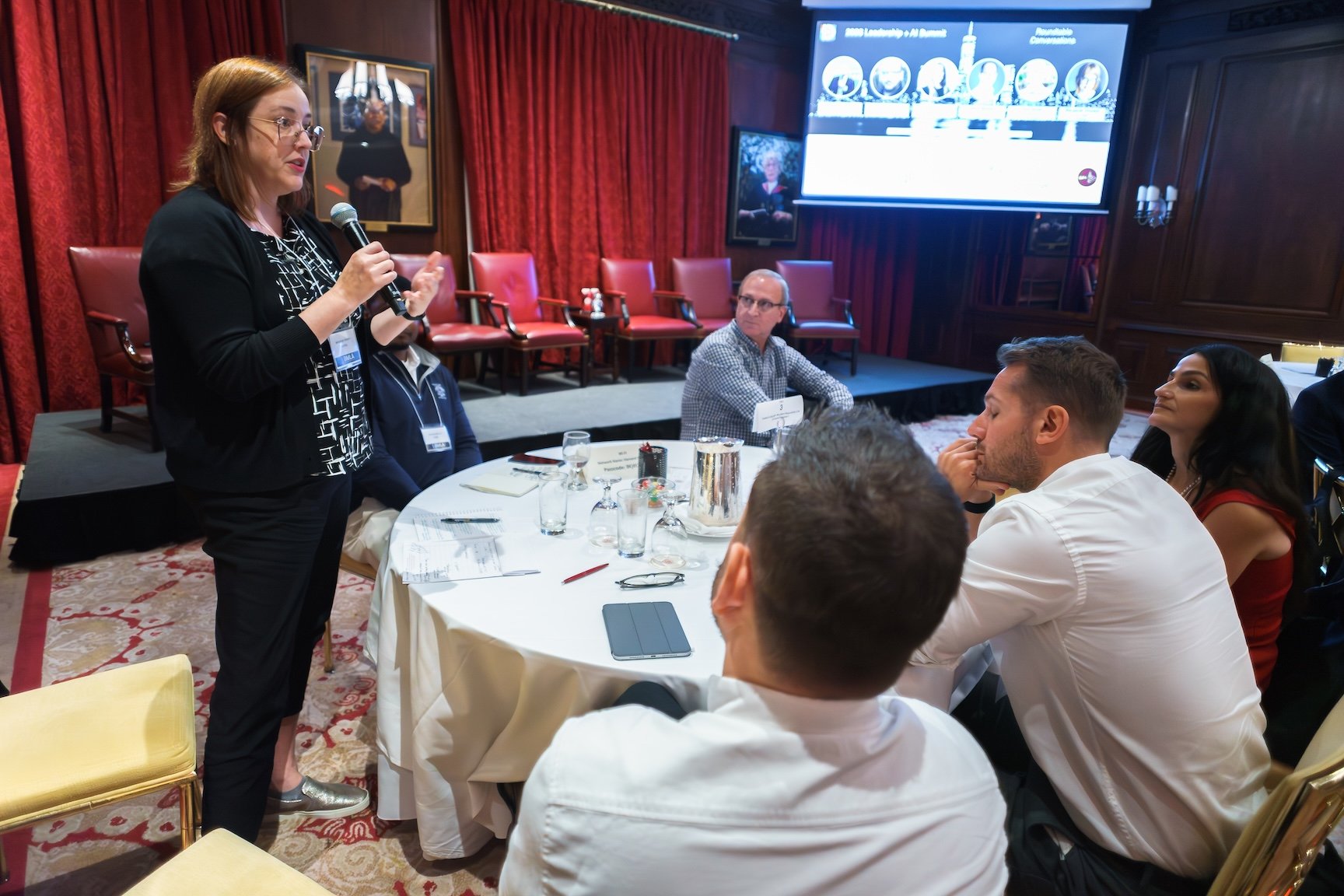
Editorial in the Age of AI Roundtable
Members may access the video in the member’s area of the website—sign in and go to the Video library.
Registrants for the webinar were sent an email with access instructions.
SEO & AI Search Working Group
The SEO & AI Search Working Group had a listening session recently with Andy Parsons, from the Content Authenticity Initiative. Members may access the summary in the member’s area of the website—sign in and go to the Documents Library.
Copyright Corner
Copyright enforcement, artificial intelligence, and the protection of creative works remain at the forefront of legal and legislative developments affecting the digital media industry.
Legislative & Policy Moves
Congress Introduces Competing Proposals to Combat Foreign Online Piracy
Congress is considering new legislation designed to strengthen enforcement against foreign websites engaged in large-scale copyright infringement. The American Copyright Protection Act (H.R. 10364), introduced September 14 by Representative Darrell Issa, would establish a federal judicial process allowing copyright owners to seek orders requiring internet service providers to block access to qualifying foreign piracy sites.
The bipartisan DEFEND IP Act (S. 5529/H.R. 10575), introduced September 24, offers another approach to combating foreign digital piracy, with provisions emphasizing judicial oversight, due process, and safeguards against unintended blocking of legitimate websites.
The proposals have attracted support from copyright and entertainment industry organizations, while raising concerns among digital rights advocates about internet access, free expression, and potential overblocking. Both proposals could have important implications for businesses seeking stronger enforcement against unauthorized distribution of copyrighted content.
Visual Artists Copyright Reform Act Proposes Major Registration Reforms
Bipartisan legislation introduced in the House on October 19 would modernize the copyright registration process for photographers and other visual creators. The Visual Artists Copyright Reform Act (VACRA, H.R. 10843), companion to Senate bill S. 3517, would allow group registration of up to 3,000 photographs in a single application, eliminate restrictions based on publication status and dates, establish a deferred examination option, and provide for subscription-based registration and potentially reduced fees for individual creators and small businesses.
Supported by leading photography and visual arts organizations, including ASMP and PPA, the legislation addresses longstanding concerns about the cost and complexity of copyright registration. The proposal is particularly timely as the U.S. Copyright Office prepares to implement significant registration fee increases in November, including a 55% increase for group registration of photographs.
While VACRA would not prevent the pending fee increases, its proposed reforms could help reduce registration costs over time, particularly for photographers and businesses managing large volumes of copyrighted works.
DMLA position: copyright registration must remain accessible and economically practical for creators and businesses, particularly those managing large collections of visual content.
House Passes Legislation Restructuring U.S. Copyright Office Leadership and Oversight
The House of Representatives passed the Legislative Branch Agencies Clarification Act (H.R. 10204) on September 14, advancing significant changes to the governance and independence of the U.S. Copyright Office.
The legislation would transfer authority to appoint and remove the Register of Copyrights from the Librarian of Congress to the President, subject to Senate confirmation for appointments, and establish a renewable 10-year term. It would also remove the Copyright Office from the Library of Congress' direct supervision, give the Register greater authority over agency operations and personnel, and establish a dedicated Office of Inspector General.
The proposed changes may significantly reshape the Copyright Office's institutional independence, oversight, and leadership accountability at a time when the agency is addressing critical issues involving AI, copyright registration, and digital licensing.
The bill now awaits Senate consideration.
Court Decisions and AI Copyright Litigation
Federal Appeals Court Upholds Thomson Reuters Victory in Landmark AI Copyright Dispute
In a significant September 29 ruling, the Third Circuit Court of Appeals upheld a copyright infringement decision in favor of Thomson Reuters against ROSS Intelligence, which used copyrighted Westlaw editorial content to train a competing AI-powered legal research platform.
The court found that Thomson Reuters' human-created editorial headnotes qualified for copyright protection and that ROSS' use of the material did not constitute fair use. In reaching its decision, the court reviewed all of the statutory fair-use factors— the commercial purpose of the AI system, the limited transformative nature of the use, the extent and necessity of the copying, and the potential market harm to the rights holder.
Of particular significance to the digital media industry and licensing in particular, the court recognized the emerging market for licensing copyrighted content for AI training and concluded that unauthorized use could interfere with a rights holder's opportunity to participate in that market, even where an established third-party licensing program did not yet exist.
Although the case involved a non-generative AI system and does not resolve broader questions about generative AI training, the decision represents an important appellate precedent concerning copyright protection, fair use, and the commercial value of licensing copyrighted works for AI development.
OpenAI and Microsoft Copyright Litigation Moves to Summary Judgment
A major consolidated copyright infringement case against OpenAI and Microsoft has entered a critical stage, with authors, publishers, and the AI companies filing competing motions for summary judgment in September. The litigation, In re OpenAI, Inc. Copyright Infringement Litigation, is pending before the U.S. District Court for the Southern District of New York.
The proceedings address whether the unauthorized copying and use of copyrighted books and news content to develop generative AI systems constitutes infringement or qualifies as fair use. Central questions include whether AI training is transformative, the extent to which AI-generated content may substitute for original works, and the impact on existing and emerging licensing markets. The litigation also raises issues concerning copyright management information and the responsibilities of AI developers.
OpenAI and Microsoft argue that their use of copyrighted material is transformative and protected by fair use. Rights holders contend that the unauthorized use of their works, along with AI-generated substitutes, threatens creative markets and commercial licensing opportunities.
The court has not yet ruled on the summary judgment motions, but its decisions could have far-reaching implications for copyright owners and AI developers.
DMLA Participates in Industry Amicus Brief
DMLA has agreed to join an amicus curiae brief being prepared by the AI Coalition for Data Integrity (AICDI) in connection with the proceedings. The Coalition advocates for transparency, attribution, and fair licensing in the development of AI systems.
Through its participation, DMLA is helping ensure that the perspectives of copyright owners and digital media licensing businesses are represented as the court considers issues with potentially significant consequences for the future of AI content licensing.
International AI Watch
Australia Maintains Copyright Protections as AI Licensing Debate Continues
Australia continues to reject proposals for a broad text-and-data-mining exception that would permit AI developers to use copyrighted works for training without authorization. Attorney-General Michelle Rowland reaffirmed the government's position in September, emphasizing voluntary licensing agreements as the preferred approach to balancing AI development with the rights of creators and copyright owners.
The government is also examining additional measures involving training-data transparency, copyright enforcement, and the legal status of AI-generated works. Meanwhile, AI developers, including OpenAI and Anthropic, continue to advocate greater flexibility for AI training, highlighting the ongoing tension between technology investment and intellectual property protection.
For the DMLA members, Australia's approach underscores the importance of consent, compensation, and the development of viable commercial licensing arrangements for AI training. Although the government has ruled out a broad copyright exception, discussions over the future regulatory framework remain active.
United Kingdom Reconsiders AI Copyright Reform Following Industry Opposition
The UK government has stepped away from its previously preferred proposal to allow AI developers to use copyrighted works for training unless rights holders explicitly opted out. In March, the government acknowledged widespread creative industry opposition and concerns that the proposal could undermine licensing markets and place an unreasonable burden on copyright owners.
While no new AI training exception has been enacted, the government continues to examine licensing, training-data transparency, and protections for human creativity. The House of Lords has called for mandatory transparency requirements and stronger safeguards for copyright owners.
For DMLA members, the shift signals greater recognition of rights holders' concerns, although the UK's future AI copyright framework remains unresolved.
European Union Begins Enforcement of AI Copyright and Transparency Requirements
The European Union has entered a new phase of implementing its AI Act, with enforcement beginning August 2, 2026. Providers of general-purpose AI models must establish policies to comply with EU copyright law, respect applicable rights reservations, and publish summaries of the copyrighted and other content used in training their models. Additional transparency requirements address the identification of AI-generated or manipulated images, video, audio, and other content.
While EU law permits certain text-and-data-mining activities, rights holders can reserve their rights under specified conditions. For digital media licensing businesses, the evolving framework underscores the importance of effective rights reservations, content provenance, and transparency in AI training. The effectiveness of these protections will depend in part on implementation, enforcement, and the ability of rights holders to identify and protect their content.
DMLA Member News:
Getty Images Files for Chapter 11 Bankruptcy Protection to Restructure Debt
On October 21, Getty Images Holdings, Inc. and certain U.S. subsidiaries filed for Chapter 11 bankruptcy protection in Delaware as part of a previously announced financial restructuring. The prepackaged reorganization, supported by major shareholders and creditors, is designed to strengthen the company's balance sheet and includes up to $533 million in equity commitments and related financing.
Getty Images has emphasized that it expects to continue normal business operations throughout the process, with no anticipated disruption to contributors, agency partners, customers, or vendors. Contributor royalties and other payments are expected to continue in the ordinary course, with existing contributor agreements and royalty terms remaining unchanged.
Under the proposed plan, affiliates of the Getty family and Koch Equity Development would assume ownership of the reorganized company, which would become privately held. Getty Images anticipates completing the restructuring by year-end, subject to court approval and other conditions.
Industry Veterans Launch New Podcast, The Image Makers
Longtime industry colleagues Christina Vaughan, founder of Image Source and Cultura Creative, and Stephen Mayes, whose distinguished career includes leadership roles at Getty Images, VII Photo Agency, Art + Commerce, and Image Source, have joined forces with former supermodel Heather Stewart-Whyte to launch The Image Makers, a new podcast exploring the power and influence of visual imagery.
Produced by Cultura Creative, the ten-part series examines how images shape identity, culture, and society, with conversations spanning photography, fashion, representation, ownership, and artificial intelligence.
Congratulations to Christina, Stephen, and Heather on the launch! We look forward to the conversations ahead.
Listen and learn more: https://culturacreative.com/pages/meet-the-image-makers
Help DMLA expand its education and advocacy programs.
Become a sponsor today.
Contact DMLA at admin@dmla.org
Many thanks to DMLA Sponsors, who help to make our work possible:
Coming Industry Events
November 10 - 12 - Adobe MAX - Miami, FL
Please send us events you would like us to track!
Email marketing@dmla.org